Menu International, English

High Intensity Laser

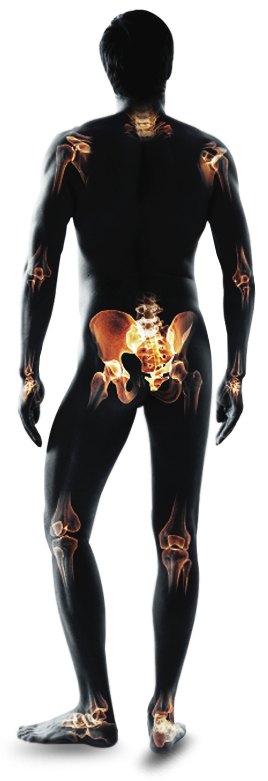
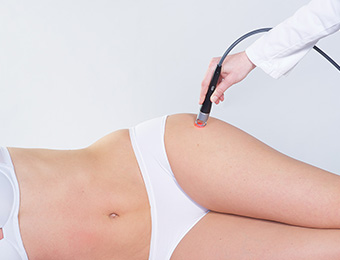
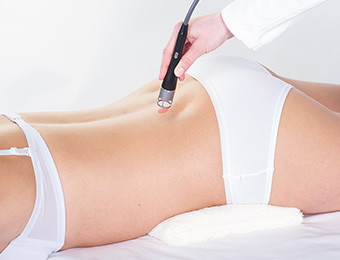
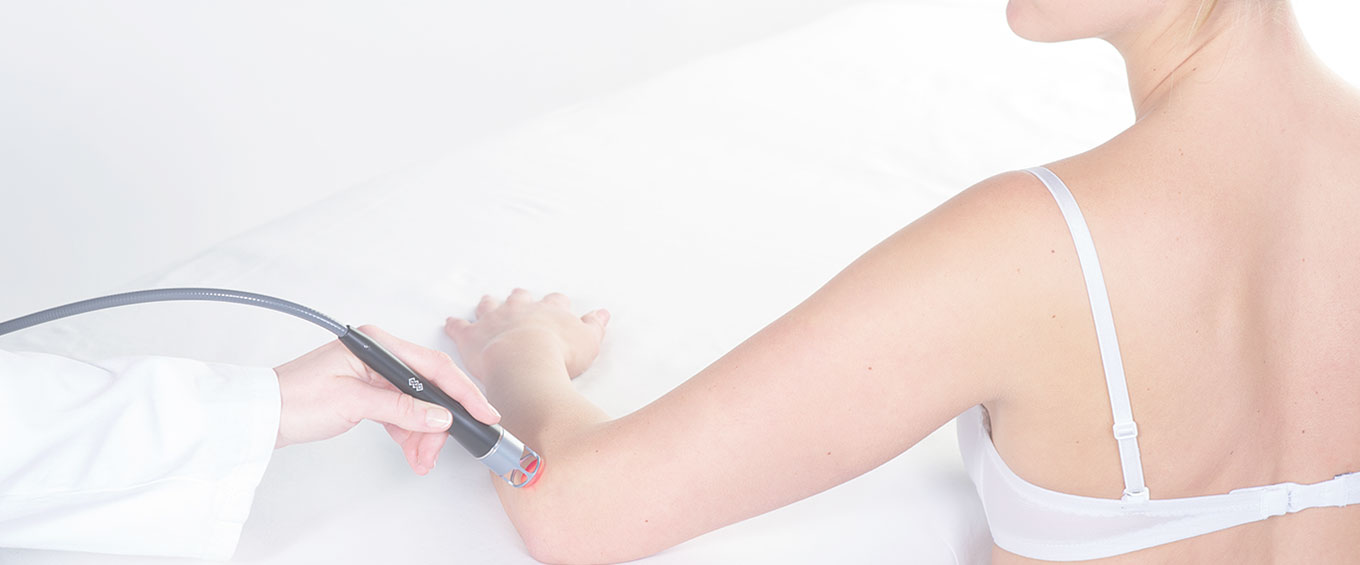
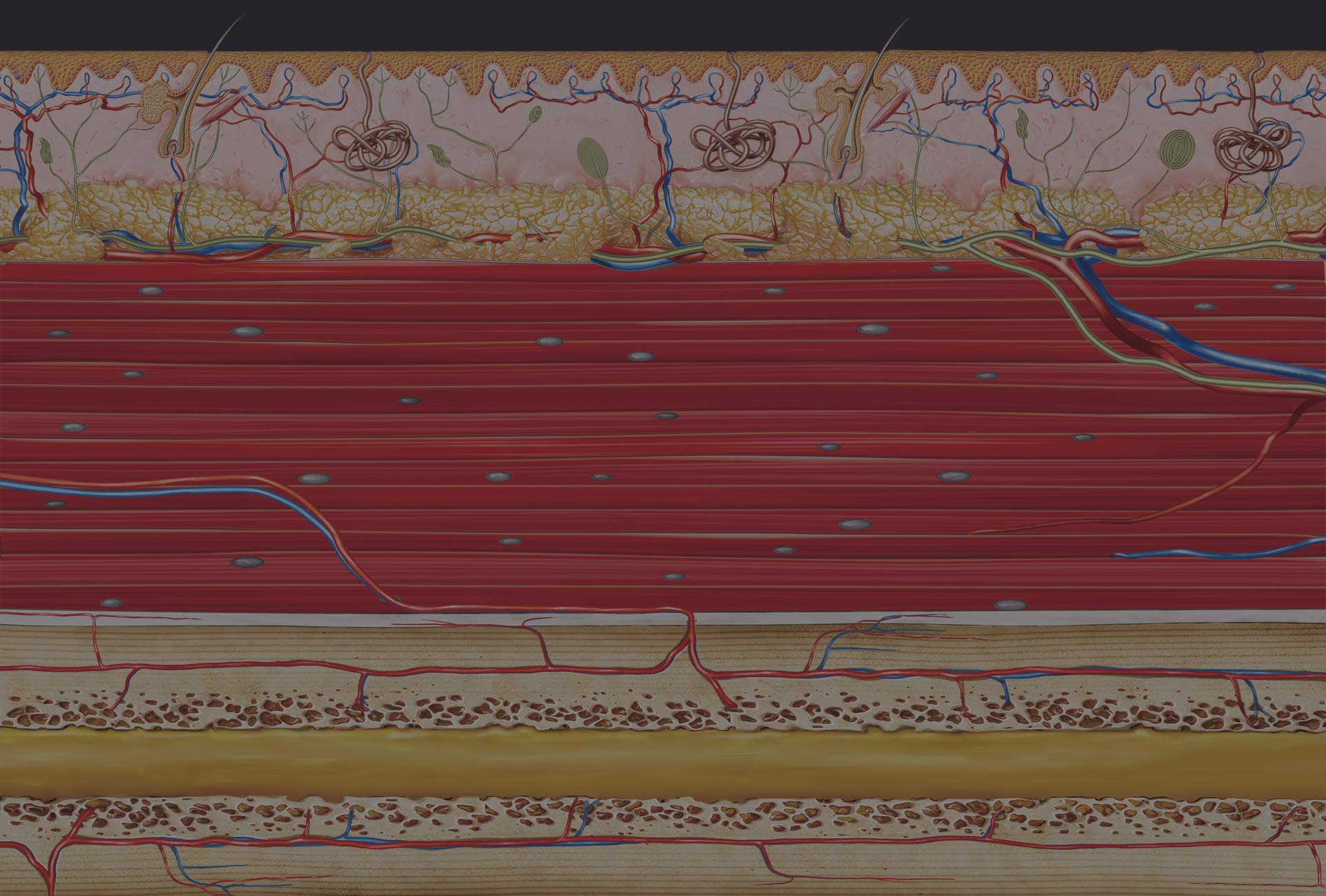
High Intensity Laser (HIL) technology is based on the well-known principle of low level laser therapy (LLLT). High power and choice of the right wavelength allow for deep tissue penetration. HIL offers powerful and non-addictive form of pain management. Through a natural process of energy transfer (biostimulation and photomechanical effect) it speeds up the healing and regeneration. HIL is particularly effective in treatment of sport injuries, e.g. muscle strain or joint distortion, and back pain caused by e.g. disc hernia or disorders in the cervical region.

mechanism
of action

Laser, an acronym for Light Amplification by Stimulated Emission of Radiation, is a therapeutic device producing monochromatic (one specific wavelength), coherent (constant phase) and polarized (directional) light.

generation

The source of laser beam in therapeutic lasers is typically a semiconductor diode capable of producing light of one specific wavelength (e.g. 1064nm).

The light generated by the diodes is then directed into an optical fiber, end of which is connected to the applicator. The beam is further processed by a series of lenses which ensure the right direction and diameter of the beam and consequently the spot.

Therapeutic lasers are defined by their power and wavelength. Wavelength is important as the ideal effects on human tissue are of light in the “therapeutic window” (approx. 650 – 1100 nm), which ensures a good ratio between penetration and absorption in the tissue. The amount of power a laser can safely deliver can reduce therapy time by more than a half.

Check the calculator

classes

Based on power and wavelength lasers are divided into several classes. Therapeutic lasers are typically of class 3B, low level laser therapy (LLLT) with power less than 500 mW, and class 4 lasers with power 500 mW and more, High Intensity

modes

High Intensity Laser can be used in two general modes – pulsed and continuous. Pulsed mode represents turning the laser on and off with very high frequency and is generally used as analgesic treatment. Continuous irradiation is a mode in which the laser remains turned on the whole time of the therapy and is used to promote biostimulation, healing and recovery.

safety

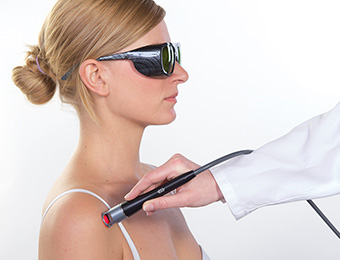
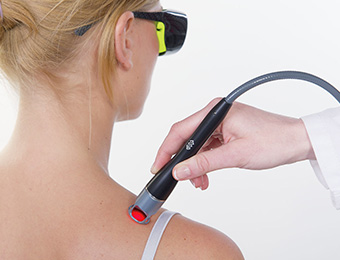
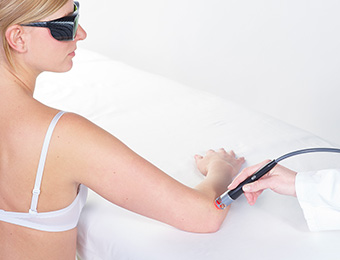
Although High Intensity therapeutic lasers are generally safe to use and promote healing and reparative processes, but they can damage the eye and so protective eye-wear is obligatory throughout the therapy. With increasing power of the High Intensity Lasers caution is in place as to their thermic effects which on one hand provide very pleasant therapy, but on the other, if not monitored and used by a trained operator, can damage the tissue.
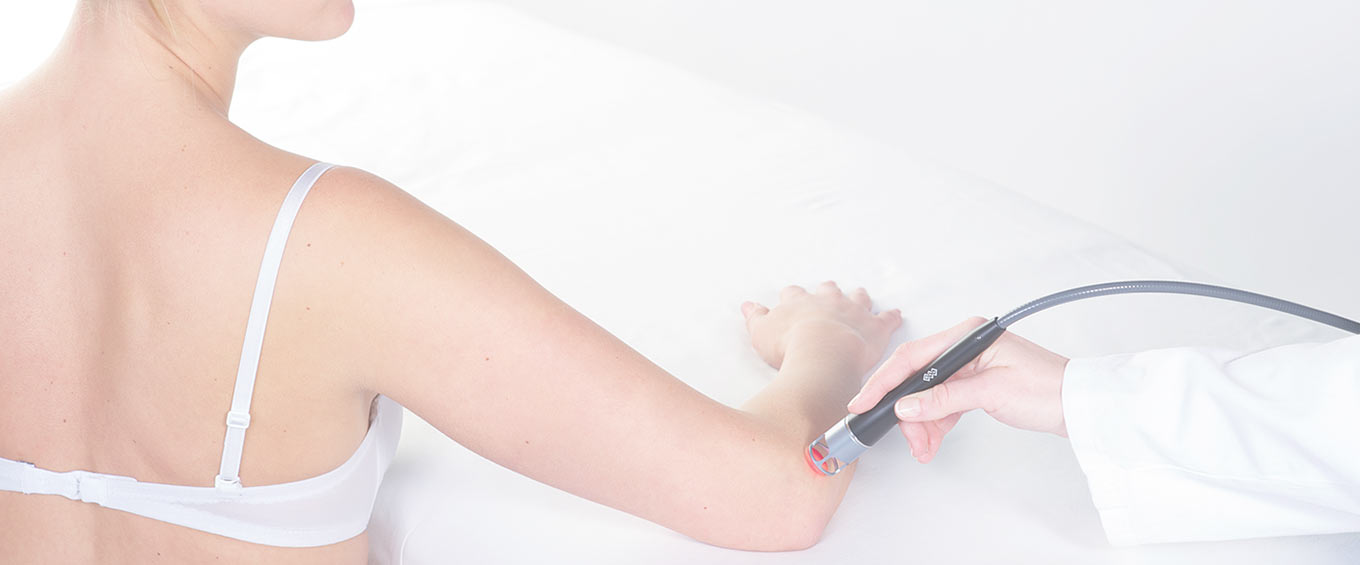
Watch how’s the therapy done

INDICATIONS

Medical Effects

High Intensity Laser can be typically used in two modes – pulsed and continuous. Each mode has different effects on the tissue and triggers different medical effects. Overall medical effects are biostimulation, pain relief, anti-inflammatory effect, superficial thermic effect and muscle relaxation.

Edema reduction

Chronic inflammation occurs when the inflammation response is not completely halted. It can damage healthy tissue and results in chronic pain.

Learn more

Anti-inflammatory effect

Nutrient blood flow is necessary to start and maintain the repair processes of damaged tissue structure. The application of acoustic waves creates capillary microruptures in tendon and bone.

Learn more

Toxin absorption

The production of a sufficient amount of collagen is a necessary precondition for the repair processes of the damaged myoskeletal and ligamentous structures.

Learn more

Healing support

Calcium build-up is most often the result of micro-tears or other trauma to a tendon. Acoustic waves break up the existing calcifications.

Learn more

Muscle relaxation

Substance P is a neurotransmitter that mediates pain information through the C-fibers. This neuropeptide is generally associated with intense, persistent and chronic pain.

Learn more

Analgesic effect

Trigger points are the principal cause of pain in the back, neck, shoulder and limbs. They are associated with palpable nodules in taut bands of muscle fibers and have extremely contracted sarcomeres.

Learn more

THERAPY SEQUENCE

Laser operation is in essence relatively simple.

Watch how’s the therapy done

Glossary

Laser

High Intensity Laser beam can be generated using various types of media. Most High Intensity Lasers use diodes (also called semiconductor lasers) to produce the laser beam of desired wavelength. Diode lasers are very compact, do not require large amounts of energy to produce laser light (unlike gas e.g. CO2 lasers) and present minimal danger as to electro-technical setting but are still dangerous to the eye. Different diodes can produce beams of different wavelengths, e.g. 1064 nm.

Laser Classification

High Intensity Laser beam can be generated using various types of media. Most High Intensity Lasers use diodes (also called semiconductor lasers) to produce the laser beam of desired wavelength. Diode lasers are very compact, do not require large amounts of energy to produce laser light (unlike gas e.g. CO2 lasers) and present minimal danger as to electro-technical setting but are still dangerous to the eye. Different diodes can produce beams of different wavelengths, e.g. 1064 nm.

LLLT vs HIL

High Intensity Laser beam can be generated using various types of media. Most High Intensity Lasers use diodes (also called semiconductor lasers) to produce the laser beam of desired wavelength. Diode lasers are very compact, do not require large amounts of energy to produce laser light (unlike gas e.g. CO2 lasers) and present minimal danger as to electro-technical setting but are still dangerous to the eye. Different diodes can produce beams of different wavelengths, e.g. 1064 nm.

Wavelength

High Intensity Laser beam can be generated using various types of media. Most High Intensity Lasers use diodes (also called semiconductor lasers) to produce the laser beam of desired wavelength. Diode lasers are very compact, do not require large amounts of energy to produce laser light (unlike gas e.g. CO2 lasers) and present minimal danger as to electro-technical setting but are still dangerous to the eye. Different diodes can produce beams of different wavelengths, e.g. 1064 nm.

Dosage

High Intensity Laser beam can be generated using various types of media. Most High Intensity Lasers use diodes (also called semiconductor lasers) to produce the laser beam of desired wavelength. Diode lasers are very compact, do not require large amounts of energy to produce laser light (unlike gas e.g. CO2 lasers) and present minimal danger as to electro-technical setting but are still dangerous to the eye. Different diodes can produce beams of different wavelengths, e.g. 1064 nm.

Laser Power

High Intensity Laser beam can be generated using various types of media. Most High Intensity Lasers use diodes (also called semiconductor lasers) to produce the laser beam of desired wavelength. Diode lasers are very compact, do not require large amounts of energy to produce laser light (unlike gas e.g. CO2 lasers) and present minimal danger as to electro-technical setting but are still dangerous to the eye. Different diodes can produce beams of different wavelengths, e.g. 1064 nm.

Laser types

High Intensity Laser beam can be generated using various types of media. Most High Intensity Lasers use diodes (also called semiconductor lasers) to produce the laser beam of desired wavelength. Diode lasers are very compact, do not require large amounts of energy to produce laser light (unlike gas e.g. CO2 lasers) and present minimal danger as to electro-technical setting but are still dangerous to the eye. Different diodes can produce beams of different wavelengths, e.g. 1064 nm.

FAQ

Will shockwave therapy help me?

Lorem ipsum dolor sit amet, consectetur adipiscing elit. Phasellus quis congue turpis. Quisque lacinia nulla urna, ac placerat felis ornare nec. Fusce nec lectus quis nisl laoreet pellentesque. Nullam vel varius augue. Duis pretium nisi id aliquam volutpat. Mauris convallis nisl nec mauris malesuada, ac sodales leo commodo. Aliquam eu eros bibendum, ultricies arcu eleifend, accumsan felis. Vivamus vel turpis a mauris accumsan mattis nec et nunc.

Does the treatment hurt?

Lorem ipsum dolor sit amet, consectetur adipiscing elit. Phasellus quis congue turpis. Quisque lacinia nulla urna, ac placerat felis ornare nec. Fusce nec lectus quis nisl laoreet pellentesque. Nullam vel varius augue. Duis pretium nisi id aliquam volutpat. Mauris convallis nisl nec mauris malesuada, ac sodales leo commodo. Aliquam eu eros bibendum, ultricies arcu eleifend, accumsan felis. Vivamus vel turpis a mauris accumsan mattis nec et nunc.

How many treatments will I need?

The number of treatment varies depending on the indication and tissue response. The effect of the treatment is cumulative and so you will need more than one treatment, typically 3 – 5 sessions suffice. Very often though, you will experience relief right after the first treatment.

How often will I need the treatment?

Lorem ipsum dolor sit amet, consectetur adipiscing elit. Phasellus quis congue turpis. Quisque lacinia nulla urna, ac placerat felis ornare nec. Fusce nec lectus quis nisl laoreet pellentesque. Nullam vel varius augue. Duis pretium nisi id aliquam volutpat. Mauris convallis nisl nec mauris malesuada, ac sodales leo commodo. Aliquam eu eros bibendum, ultricies arcu eleifend, accumsan felis. Vivamus vel turpis a mauris accumsan mattis nec et nunc.

Will I feel any pain after the treatment?

Lorem ipsum dolor sit amet, consectetur adipiscing elit. Phasellus quis congue turpis. Quisque lacinia nulla urna, ac placerat felis ornare nec. Fusce nec lectus quis nisl laoreet pellentesque. Nullam vel varius augue. Duis pretium nisi id aliquam volutpat. Mauris convallis nisl nec mauris malesuada, ac sodales leo commodo. Aliquam eu eros bibendum, ultricies arcu eleifend, accumsan felis. Vivamus vel turpis a mauris accumsan mattis nec et nunc.

Are there any restrictions after the treatment?

Lorem ipsum dolor sit amet, consectetur adipiscing elit. Phasellus quis congue turpis. Quisque lacinia nulla urna, ac placerat felis ornare nec. Fusce nec lectus quis nisl laoreet pellentesque. Nullam vel varius augue. Duis pretium nisi id aliquam volutpat. Mauris convallis nisl nec mauris malesuada, ac sodales leo commodo. Aliquam eu eros bibendum, ultricies arcu eleifend, accumsan felis. Vivamus vel turpis a mauris accumsan mattis nec et nunc.

If you have any other questions, please Contact us

Choose your language

Reversal of Chronic Inflammation

Chronic inflammation occurs when the inflammation response is not completely halted. It can damage healthy tissue and results in chronic pain.

Chronic inflammation occurs when the inflammation response is not completely halted. It can damage healthy tissue and results in chronic pain.

Chronic inflammation occurs when the inflammation response is not completely halted. It can damage healthy tissue and results in chronic pain.

Chronic inflammation occurs when the inflammation response is not completely halted. It can damage healthy tissue and results in chronic pain.

Chronic inflammation occurs when the inflammation response is not completely halted. It can damage healthy tissue and results in chronic pain.

Chronic inflammation occurs when the inflammation response is not completely halted. It can damage healthy tissue and results in chronic pain.

New Blood Vessel Formation

Nutrient blood flow is necessary to start and maintain the repair processes of damaged tissue structure. The application of acoustic waves creates capillary microruptures in tendon and bone.

Scientific support

Mechano-transduction effect of shockwaves

Stimulation of Collagen Production

The production of a sufficient amount of collagen is a necessary precondition for the repair processes of the damaged myoskeletal and ligamentous structures.

Dissolution of Calcified Fibroblasts

Calcium build-up is most often the result of micro-tears or other trauma to a tendon. Acoustic waves break up the existing calcifications.

Scientific support

Mechano-transduction effect of shockwaves

Dispersion of Pain Mediator “Substance P”

Substance P is a neurotransmitter that mediates pain information through the C-fibers. This neuropeptide is generally associated with intense, persistent and chronic pain.

Release of Trigger Points

Trigger points are the principal cause of pain in the back, neck, shoulder and limbs. They are associated with palpable nodules in taut bands of muscle fibers and have extremely contracted sarcomeres.

Scientific support

Mechano-transduction effect of shockwaves

Achillodynia

Chronic inflammation occurs when the inflammation response is not completely halted. It can damage healthy tissue and results in chronic pain.

Patellar Tendinopathy (Jumper’s Knee)

Nutrient blood flow is necessary to start and maintain the repair processes of damaged tissue structure. The application of acoustic waves creates capillary microruptures in tendon and bone.

Scientific support

Mechano-transduction effect of shockwaves

Painful Shoulder

The production of a sufficient amount of collagen is a necessary precondition for the repair processes of the damaged myoskeletal and ligamentous structures.

Radial Epicondilitis (Tennis Elbow)

Calcium build-up is most often the result of micro-tears or other trauma to a tendon. Acoustic waves break up the existing calcifications.

Scientific support

Mechano-transduction effect of shockwaves

Calcar Calcanei / Plantar Fasciitis (Heel Spur)

Substance P is a neurotransmitter that mediates pain information through the C-fibers. This neuropeptide is generally associated with intense, persistent and chronic pain.

Pain in the Hamstring Insertions

Trigger points are the principal cause of pain in the back, neck, shoulder and limbs. They are associated with palpable nodules in taut bands of muscle fibers and have extremely contracted sarcomeres.

Scientific support

Mechano-transduction effect of shockwaves

Chronic Tendinopathy

Substance P is a neurotransmitter that mediates pain information through the C-fibers. This neuropeptide is generally associated with intense, persistent and chronic pain.

Tibialis Anterior Syndrome

Trigger points are the principal cause of pain in the back, neck, shoulder and limbs. They are associated with palpable nodules in taut bands of muscle fibers and have extremely contracted sarcomeres.

Scientific support

Mechano-transduction effect of shockwaves

Lower Back Pain

Substance P is a neurotransmitter that mediates pain information through the C-fibers. This neuropeptide is generally associated with intense, persistent and chronic pain.

Hip Pain

Trigger points are the principal cause of pain in the back, neck, shoulder and limbs. They are associated with palpable nodules in taut bands of muscle fibers and have extremely contracted sarcomeres.

Scientific support

Mechano-transduction effect of shockwaves

Close notification